

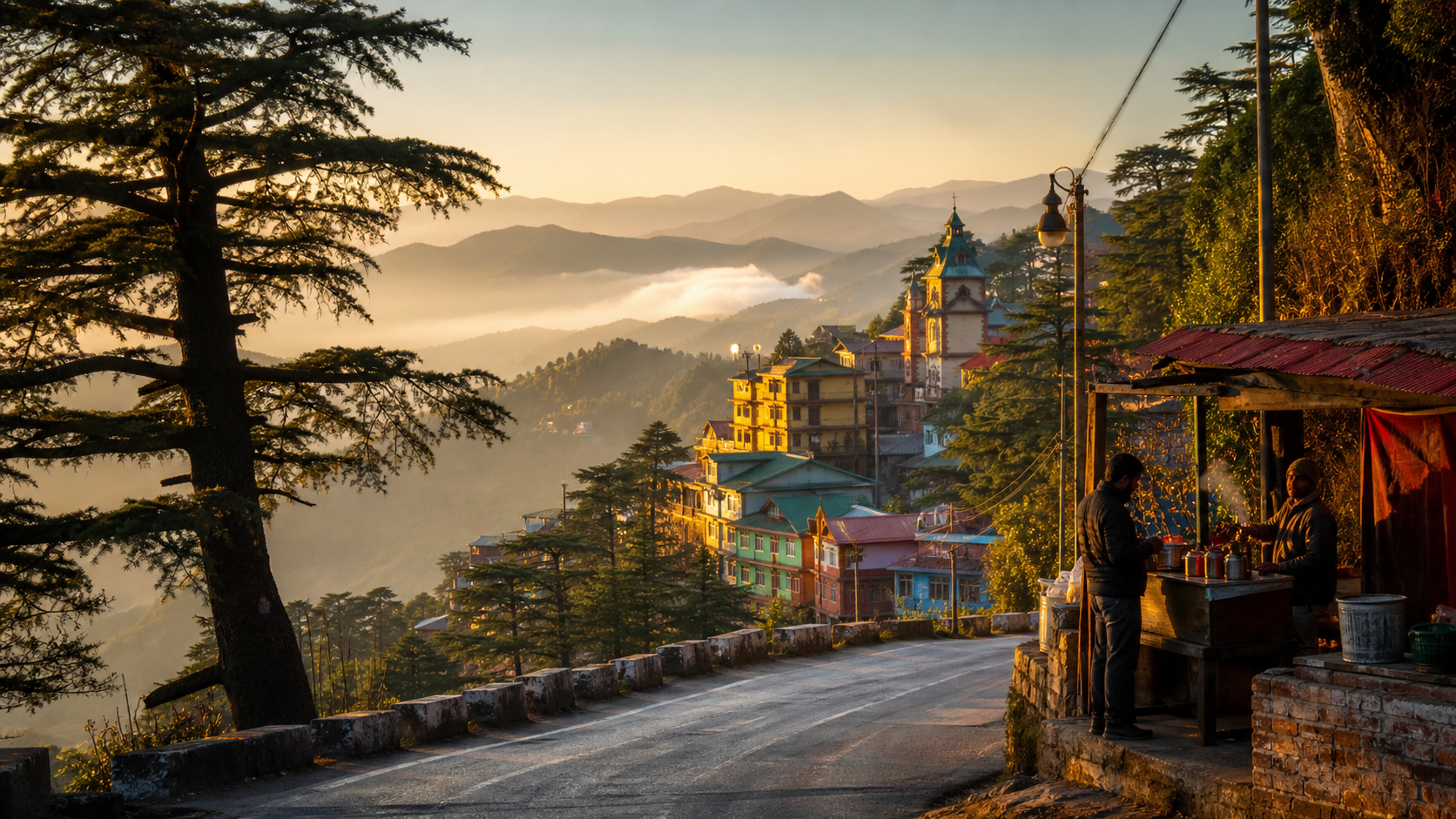

There is a special pleasure in swapping city heat and noise for cool mountain air and the slow rhythm of hill life. Whether you dream of pine-scented walks, sunrise views above the clouds or long chai breaks on a foggy balcony, India’s hill stations offer a comforting, achievable escape just a few hours away. This guide brings together 15 popular hill stations across India, practical planning tips, and a sample itinerary to help you turn that dream into a well-planned trip.
I write this as someone who has seen travellers arrive stressed and return refreshed — hill stations are not just pretty postcards; with some planning they are restorative, affordable, and family-friendly. Below you’ll find why each destination matters for Indian travellers, the best times to visit, how to get there, where to stay and eat, and useful budgeting and safety tips.
Why these hill stations matter for Indian travellers
Hill stations are more than elevation on a map. For Indian travellers they usually mean easy weekend getaways from metros, a chance for children to experience snow or forests, and ideal settings for couples and groups seeking quiet or low-key adventure. Many of these towns also offer well-established tourist services — from homestays and family hotels to guided treks and local food — which makes travel planning straightforward for first-time mountain travellers.
Best time to visit
Timing depends on what you want: summer (April–June) is perfect for escaping heat and enjoying clear skies; monsoon (July–September) brings dramatic green landscapes but may cause landslides or road closures in some areas; winter (December–February) is for snow lovers, especially in higher-altitude stations. For the majority of the 15 hill stations below, April to June and September to November offer the best balance of pleasant weather and road access.
Top 15 hill stations — where to go and why
Each pick below highlights what you can expect and who it suits best.
- Shimla, Himachal Pradesh — A classic colonial-era hill station with a lively mall area and panoramic ridge walks. Good for families and first-time hill travellers. The town mixes shopping, cafes and easy day-walks; nearby spots offer nature trails and viewpoints.
- Manali, Himachal Pradesh — A mix of mainstream tourism and mountain adventure. Manali is a base for high-altitude treks, river activities in summer and scenic drives to nearby valleys. Suited to couples, groups and adventure seekers.
- Dharamshala & McLeod Ganj, Himachal Pradesh — A cultural hill town with Tibetan influences, meditation centres and quiet walks. Great for travellers seeking a contemplative break and cultural experiences.
- Dalhousie, Himachal Pradesh — Known for quiet colonial charm and easy nature walks between viewpoints. Ideal for relaxed family holidays and leisurely exploration.
- Mussoorie, Uttarakhand — A hill station with a lively mall road, scenic viewpoints and accessible short treks. Works well for weekend trips from nearby metros.
- Nainital, Uttarakhand — A lakeside hill town where boating and gentle promenades shape the experience. Popular with families and couples wanting easy lakeside relaxation.
- Auli, Uttarakhand — Known for alpine meadows and skiing in winter; good for travellers seeking high-altitude landscapes and winter sports.
- Darjeeling, West Bengal — Famous for tea gardens, mountain views and a relaxed town centre. Best for travellers who appreciate scenic train journeys, tea estate walks and panoramic sunrise views.
- Gangtok, Sikkim — A compact, well-managed capital with mountain vistas and access to unique alpine landscapes. Good for cultural exploration and short high-altitude excursions.
- Shillong, Meghalaya — The ‘Scotland of the East’ with rolling hills, waterfalls and living-root bridges in the region. A great choice for travellers looking for verdant landscapes and vibrant local music culture.
- Munnar, Kerala — A southern hill station known for tea estates, misty mornings and cool climate. Ideal for couples and nature lovers seeking relaxed walks among plantations.
- Ooty, Tamil Nadu — A classic south Indian hill station with botanical gardens, a scenic toy train and pleasant drives. Family-friendly and well-connected by road and rail.
- Kodaikanal, Tamil Nadu — A calm, lake-centered hill station with forested walks and viewpoints. Attractive for couples and families looking for quieter alternatives to Ooty.
- Coorg (Kodagu), Karnataka — A coffee-country hill district with misty plantations, waterfalls and short treks. Good for food, coffee culture and relaxed outdoor experiences.
- Mahabaleshwar & Panchgani, Maharashtra — Western Ghats hill stations known for viewpoints, strawberry farms and cooler weather close to Mumbai and Pune. Suitable for long weekends and family trips.
Main experiences and sample activities
Across these hill stations you’ll find recurring experiences that shape a hill holiday: slow walks on mall roads at dusk, sunrise viewpoints, short treks or nature walks, local food sampling, tea or coffee estate visits, and small-scale adventure activities like river rafting near river valleys or skiing in specialist destinations. For example, in Shimla you can enjoy ridge walks, local cafes on Mall Road and short hikes to viewpoints — a mix of relaxed sightseeing and gentle walking suits most travellers.
Suggested 8–10 day hill-stations circuit (sample itinerary)
This sample circuit combines two popular Himachal destinations with easy travel days. Adjust depending on your start city and pace.
Day 1 — Travel to Shimla
Arrive and take a gentle walk on Mall Road. Settle into a hill-view hotel and acclimatise.
Day 2 — Explore Shimla
Visit the Ridge area, local markets, and a short nature walk to nearby viewpoints or a heritage building. Enjoy local bakeries and cafes.
Day 3 — Local day trip
Choose a half-day trip to a nearby spot for forest walks and views; rest in the afternoon.
Day 4 — Drive to Manali
Take the scenic drive to Manali. Stop at viewpoints and small towns en route; arrive by evening.
Day 5 — Explore Manali
Walk the town, visit local markets and enjoy riverside cafes. Consider a short walk to surrounding hills.
Day 6 — Day trip to nearby valley
Visit a nearby valley or village for a more rural mountain experience — lots of photo opportunities and easy hikes.
Day 7 — Adventure or rest day
Opt for a guided short trek, paragliding (in season) or a relaxing day at a homestay.
Day 8 — Return travel
Head back to your originating city or continue to another station depending on time.
Budget and cost guidance
Costs vary widely by season, how you travel and where you stay. Hill stations tend to be cheaper in shoulder seasons and costlier in peak holiday weeks. Typical budget items to plan for include transport (road/rail/flight), accommodation (homestays, 3-star hotels, premium resorts), local transfers and activities. Planning ahead for weekends and festival periods helps you avoid last-minute premium rates.
Visa and documentation
For Indian travellers there is no visa requirement for domestic travel. Carry valid government ID for hotel check-ins and for any permits you might need in protected or restricted areas. If you are travelling with elderly family members or young children, keep a copy of medical paperwork and emergency contact details handy.
Where to stay
Hill stations offer a range of stays: family-run guesthouses and homestays are budget-friendly and offer local flavour; boutique hotels and resorts offer comfort and views; camps and mountain lodges suit adventure travellers. Book early for long weekends and the peak summer season to secure preferred locations and views.
Food and dining
Local food varies by region — north Indian mountain cuisine includes hearty dals, breads and locally made sweets; eastern and northeastern hill stations bring tea, momos and regional specialities; southern hill stations focus on rice-based meals and freshly brewed coffee. Try small local eateries for homestyle flavours and bakeries in towns like Shimla for delightful treats.
Getting around
Major hill stations are accessible by a mix of road, rail and short flights to nearby airports. Local transport options include taxis, shared cabs, auto-rickshaws (where available) and local buses. Walking between major sights is often the most enjoyable way to explore compact hill towns, but plan for steep slopes and uneven paths.
Who should visit? Suitability
Families: Many hill stations are child-friendly with easy walks, boating options and calm days. Couples: Excellent for romantic getaways and relaxed stays in nature. Solo travellers: Choose well-connected, popular hill towns and stick to daytime activities if you’re new to mountain travel. Groups: Hill stations work well for groups who want shared activities or scenic drives.
Pro Tip
Carry layered clothing, comfortable walking shoes and a small first-aid kit. Start your day early for clear mountain views and plan longer drives for daylight hours. Check local weather and road conditions a day before travel, especially in monsoon or winter seasons.
Comparison table: Quick planning at a glance
| Hill Station | Best for | Best season |
|---|---|---|
| Shimla | Family, first-timers, cultural walks | Apr–Jun, Sep–Nov |
| Manali | Adventure, couples, long stays | Apr–Jun, Sep–Nov |
| Dharamshala / McLeod Ganj | Cultural stays, meditation | Mar–Jun, Sep–Nov |
| Dalhousie | Relaxed family trips | Mar–Jun, Sep–Nov |
| Mussoorie | Weekend getaways | Mar–Jun, Sep–Nov |
| Nainital | Lakeside relaxation | Mar–Jun, Sep–Nov |
| Auli | Winter sports, alpine views | Dec–Feb (winter), Apr–Jun |
| Darjeeling | Tea estates, sunrise views | Mar–Jun, Sep–Nov |
| Gangtok | Cultural & scenic base | Mar–Jun, Sep–Nov |
| Shillong | Waterfalls, music & culture | Oct–May |
| Munnar | Tea gardens, romance | Sep–May |
| Ooty | Botanical gardens, family | Mar–Jun, Sep–Nov |
| Kodaikanal | Quiet lakeside stay | Sep–May |
| Coorg | Coffee stays, short treks | Sep–May |
| Mahabaleshwar / Panchgani | Short breaks from cities | Oct–Jun |
Planning the smart way
1) Book in advance for long weekends and school holidays. 2) Choose one base per trip rather than rushing multiple hill stations in a short time. 3) Check local road and weather updates; delays are common in monsoon and winter. 4) Pack for sudden temperature shifts — mornings and evenings can be chilly even in summer. 5) Respect local culture and natural resources: avoid littering, follow marked trails and enquire about any restricted areas before visiting.
Final thoughts
India’s hill stations are wonderfully varied: from tea-clad slopes and colonial promenades to alpine meadows and misty plateaus. They are reachable and rewarding for Indian travellers seeking a break that is both scenic and restful. With a little planning — choosing the right season, booking accommodation in advance and setting a relaxed pace — you can turn a few days away into a memorable, restorative mountain experience. If you want tailored suggestions on which hill station best matches your travel style, Travelzia’s destination tips can help you refine choices and plan logistics.
FAQs
- 1. Which hill station is best for a quick weekend from major cities? Choose hill stations within 6–8 hours of road travel from your city — smaller choices like Mussoorie, Mahabaleshwar or Kasauli work well for short breaks.
- 2. When is the best time to see snowfall? Winter months bring snow to higher-altitude destinations; if snow is the goal, target higher elevation stations in December–February but check weather reports beforehand.
- 3. Are hill stations safe for elderly travellers? Many hill towns are family-friendly; choose a base with easy access, minimal steep walks and confirmed medical facilities nearby if health concerns exist.
- 4. Do I need permits to visit these hill stations? Most popular hill stations do not require permits for general tourism. Some protected areas or high-altitude passes may need permits — check local rules before planning specific excursions.
- 5. How should I manage altitude sickness? For moderate elevations it is uncommon, but for higher-altitude spots, ascend gradually, stay hydrated, avoid heavy exertion on arrival and consult a doctor if you have health conditions.
- 6. Is public transport reliable in hill stations? Local public transport varies by destination. Taxis and shared cabs are commonly used; for convenience, pre-booked private transfers work well in many places.
- 7. Can I find vegetarian food easily? Yes. Vegetarian options are available widely across hill stations; however, regional specialties may include non-vegetarian dishes, so check menus if you have dietary preferences.
Travel Information Disclaimer
Travel information is for general planning purposes only. Prices, visa rules, availability, and entry requirements can change. Verify important details with the relevant airline, hotel, embassy, or official authority before booking or travelling.