

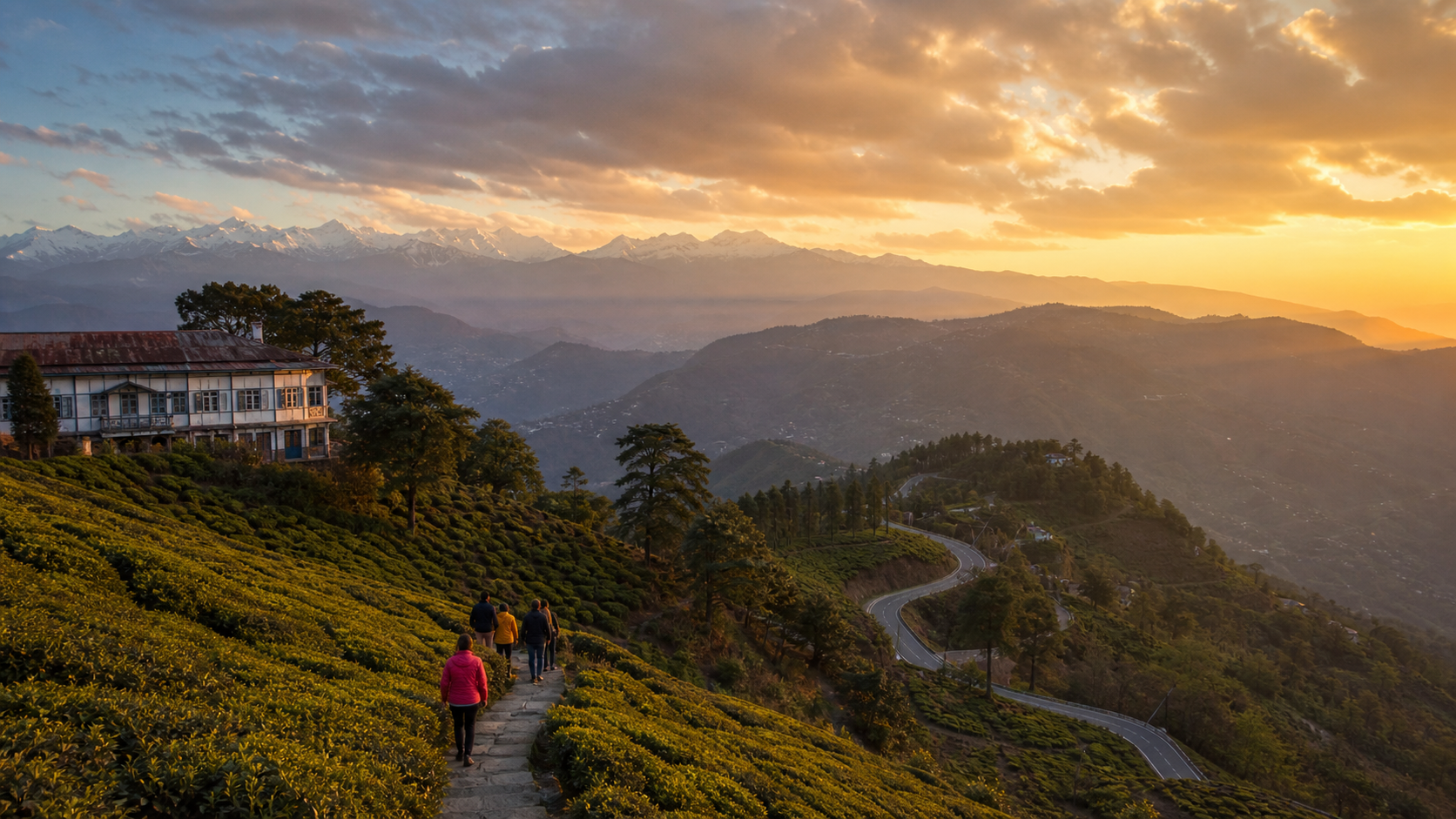

There’s a simple joy in leaving the city heat behind, rolling the windows down and watching hills rise like a promise. For many Indian travellers, a hill station trip is more than cooler weather—it’s an invitation to slow down, find fresh air, explore winding roads and experience local flavours. Whether you want a short weekend escape or a two-week circuit across mountain ranges, India’s hill stations offer a wide palette of landscapes and experiences.
This guide brings together 15 carefully chosen hill stations across India, blending classic favourites and lesser-explored gems. You’ll find practical planning tips, season guidance, transport and stay ideas, and day-to-day inspiration—written to help you plan with confidence and make the most of every slope and valley.
Why these hill stations matter for Indian travellers
Indian hill stations are often within a single-day journey from major cities, making them ideal for busy travellers who want maximum nature time with minimum transit. They offer cooler weather in summer, snow or misty winter moods in colder zones, and a chance to experience colonial heritage, local food, tea gardens and easy treks. For families, couples, solo travellers or groups, hill stations provide flexible pacing—lively markets one hour, quiet viewpoints the next.
Best time to visit
Timing depends on what you want:
- Summer (April to June) is peak season for most hill stations—ideal to escape heatwave months on the plains.
- Monsoon (July to September) brings dramatic greenery, but some hill roads and trails can be slippery; the Western Ghats and central-south hill stations can be spectacular if you’re comfortable with rain.
- Winter (December to February) is perfect for snow enthusiasts in higher Himalaya destinations, and for cosy stays with fireplaces in hill resorts elsewhere.
Top 15 hill stations to visit in India (what to expect and why go)
1. Shimla (Himachal Pradesh)
Shimla is a classic hill-station experience—broad colonial-era avenues, bustling Mall Road and viewpoints with long ridgelines. The town mixes heritage hotels, colourful markets and easy walks on the Ridge. Shimla is forgiving for first-time hill travellers: short walks, accessible viewpoints and a clear town centre make it easy to explore at a gentle pace.
2. Manali (Himachal Pradesh)
Manali draws travellers for its dramatic valley setting and as a gateway to high-altitude treks. The town has lively markets, riverside cafés and plenty of day-trip options to nearby villages and adventure hubs. Manali works well for mixed itineraries—relaxation in the town and more active alpine days nearby.
3. Dharamshala and McLeod Ganj (Himachal Pradesh)
Dharamshala’s higher ridges and the Tibetan-influenced McLeod Ganj neighbourhood create a unique cultural and spiritual atmosphere. Expect tea houses, viewpoints with panoramic views, and opportunities for gentle treks into surrounding hills. It’s a calm counterpoint to busier tourist towns.
4. Dalhousie (Himachal Pradesh)
Dalhousie is a quieter, colonial-era hill station with a relaxed rhythm. The town’s tree-lined lanes and viewpoints are ideal for slow walks and short hikes. It’s a good pick if you want a peaceful hill stay without long drives between attractions.
5. Mussoorie (Uttarakhand)
Mussoorie, often called the ‘Queen of the Hills’, offers scenic viewpoints, waterfalls nearby and a long promenade with shops and cafés. Its mix of easy nature walks and old-world charm makes it popular with families and couples seeking a short, picturesque escape.
6. Nainital (Uttarakhand)
Nainital centres around a beautiful lake and a compact townscape. Boating, lakeside walks and nearby viewpoints shape the typical visit. Nainital is especially suitable for a relaxed long weekend with family-friendly activities and short local excursions.
7. Kasauli (Himachal Pradesh)
Kasauli is a small, tranquil hill station with gentle walks, quiet lanes and a low-key town centre. It’s a great choice when you want a short, uncrowded retreat; expect scenic viewpoints and a slower pace compared with larger hill towns.
8. Ranikhet (Uttarakhand)
Ranikhet offers sweeping views of Himalayan ranges and a laid-back mountain-town feel. It’s favoured for peaceful stays, walks through pine forests and a chance to enjoy clear morning skies. Accommodation choices often include homestays and forest-edge resorts.
9. Auli (Uttarakhand)
Auli stands out for its high-altitude meadows and winter-snow activities. If you’re planning a snow-focused trip or want alpine visual drama, Auli’s slopes and panoramic views are worth considering. It’s a destination that favours scenic day-trips as well as short ski visits when conditions allow.
10. Darjeeling (West Bengal)
Darjeeling combines tea-estate vistas, narrow-gauge railway nostalgia and mountain lookout points. Tea walks, local bazaars and panoramic sunrise viewpoints are typical attractions. The town has a distinctive, relaxed colonial flavour and suits travellers who enjoy coffee-shop mornings and long hill vistas.
11. Gangtok (Sikkim)
Gangtok blends Himalayan views with cultural experiences and easy access to nearby mountain landscapes. The city is compact enough to explore in a few days and serves as a gateway for short mountain excursions. Expect clean streets, hilltop viewpoints and a calm urban-hill atmosphere.
12. Ooty (Tamil Nadu)
Ooty is a favourite in the Nilgiris, known for cool climes, botanical gardens and toy-train nostalgia. Tea gardens, rolling green slopes and colonial architecture shape the town’s character. Ooty is family-friendly and often paired with neighbouring hill towns on longer southern circuits.
13. Kodaikanal (Tamil Nadu)
Kodaikanal is famous for its lake, pine-scented walks and plateau scenery. It has a relaxed village feel with viewpoints and sheltered trails that are good for easy hiking. The destination suits travellers looking for a quiet, nature-centred stay in South India.
14. Munnar (Kerala)
Munnar is the region of rolling tea gardens and misty hills—ideal for nature lovers who enjoy long walks in plantations and short nature treks. The area has boutique stays and tea-estate bungalows that pair well with slow mornings and photo-friendly landscapes.
15. Coorg (Kodagu, Karnataka)
Coorg offers lush coffee plantations, forested hills and a gentle, misty landscape. The region is suited to slow exploration—short treks, plantation tours and time spent at homestays. Coorg is an excellent southern hill option for a relaxing multi-day break.
Where to stay: styles and what to expect
Hill-station accommodation ranges from small family-run homestays and guesthouses to colonial-era hotels and modern resorts. Consider the following when choosing:
- Location: pick a stay near the town centre for easy access to markets, or a hill-edge property for privacy and views.
- Comfort vs. experience: tea-estate bungalows offer atmosphere, while newer resorts focus on amenities such as spas and indoor dining.
- Book early during peak season—popular dates fill quickly, especially long weekends and summer holidays.
Getting around
Most hill stations are reachable by road from nearby cities; many also have rail or air links at nearby hubs. Road travel is the most flexible option—hire a private car for door-to-door comfort, or use shared taxis and state buses for budget travel. Within towns, short walks, local taxis and rickshaws are common. Allow extra time for winding mountain roads and slow-driving stretches.
Food and drink
Hill stations serve a mix of local and popular Indian dishes—expect fresh local produce, regional specialities, simple dhabas and small cafés. In southern hill stations, try local stews and tea varieties; in northern hill stations, enjoy fresh breads, momos in certain areas, and locally grown teas. If you have dietary preferences, carrying basic snacks while travelling between towns is wise.
Who should go: family, couple, solo or group trips?
Hill stations work for anyone. Families will appreciate accessible walks and family-friendly hotels; couples can choose quieter stays and scenic viewpoints; solo travellers will find both sociable budget stays and tranquil escapes; groups can mix activity days with relaxed evenings. Choose destinations based on desired activity level—some towns are more suited to adventure, others to relaxation.
Comparison table: quick planning reference
| Region | Vibe | Best for | Ideal trip length |
|---|---|---|---|
| Himachal (Shimla, Manali, Dharamshala) | Alpine, cultural, active | Trekking, viewpoints, culture | 3–7 days |
| Uttarakhand (Mussoorie, Nainital, Ranikhet, Auli) | Lake towns, scenic meadows | Family trips, snow (seasonal) | 2–6 days |
| West & Central (Lonavala, Mahabaleshwar) | Weekend escapes, monsoon greenery | Quick getaways from metros | 1–3 days |
| South (Ooty, Kodaikanal, Munnar, Coorg) | Tea/coffee estates, misty hills | Nature walks, plantations, relaxed stays | 3–5 days |
| Northeast (Darjeeling, Gangtok, Shillong) | Tea hills, cultural charm, viewpoints | Scenic vistas, local culture | 3–6 days |
Planning the smart way
Here are practical planning steps to make your hill trip smoother:
- Book travel and stays early for peak months. Even if your dates are flexible, popular properties and weekend slots fill quickly.
- Pack in layers—mornings and nights are often colder than daytime, even in summer.
- Carry basic medicines, sunscreen and mosquito repellent; local pharmacies are usually available in towns but may have limited stocks in smaller villages.
- Allow extra travel time for mountain roads, and avoid night driving on unfamiliar hill roads when possible.
- Respect local rules, forest areas and private plantations—ask before entering tea or coffee estates that are private property.
Pro Tip
Choose one or two anchor towns for a relaxed trip rather than trying to cover too many destinations in a short time. Hill travel rewards slow movement—spend longer at fewer places and you’ll enjoy clearer weather windows and more meaningful local experiences.
Final thoughts
India’s hill stations offer so many tones—mist-soft mornings, colonial nostalgia, adventurous trails and quiet homestay mornings. Your ideal hill trip depends on how you want to spend your time: active days on mountain trails or slow mornings with a book and a view. Use this list as a starting point, pick a region that fits your travel rhythm, plan sensibly for weather and road time, and leave room for unplanned detours. Travelzia’s editorial team finds that the best hill memories come from small discoveries—an offbeat viewpoint, a local snack stall or a friendly homestay host.
Frequently asked questions
- When is the best month to visit hill stations? For cooler weather and clear views, April to June is a reliable window. Winter is ideal for snow at higher-altitude destinations; monsoon is lush but can affect road accessibility.
- Are hill stations safe for solo travellers? Yes—many hill towns are popular with solo travellers. Take usual safety precautions, inform someone about your plans, and avoid poorly lit remote roads at night.
- How should I pack for a hill trip? Layered clothing, a light rain jacket, comfortable walking shoes, sunscreen, basic medicines and a power bank are essentials. If you plan higher-altitude treks, include warmer gear.
- Can I travel to hill stations by train or flight? Many hill stations are best reached by road from nearby rail or flight hubs. Check the nearest railhead or airport and plan the onward road transfer in advance.
- Are hill stations suitable for families with young children? Absolutely—many hill towns offer family-friendly walks, boating and gentle attractions. Choose a town with easy access to medical facilities if that’s a concern.
- Do I need permits to visit any of these hill stations? Most popular hill stations do not require permits. However, if you plan to visit protected forests, tribal areas or border districts in the Northeast or high Himalaya, check local regulations in advance.
Ready to plan your next hill escape? Take time to choose the right season and base town, and leave room for slow discoveries. If you want personalised ideas based on your travel dates and interests, Travelzia’s guides can help shape an itinerary that suits your pace and budget.
Travel Information Disclaimer
Travel information is for general planning purposes only. Prices, visa rules, availability, and entry requirements can change. Verify important details with the relevant airline, hotel, embassy, or official authority before booking or travelling.