

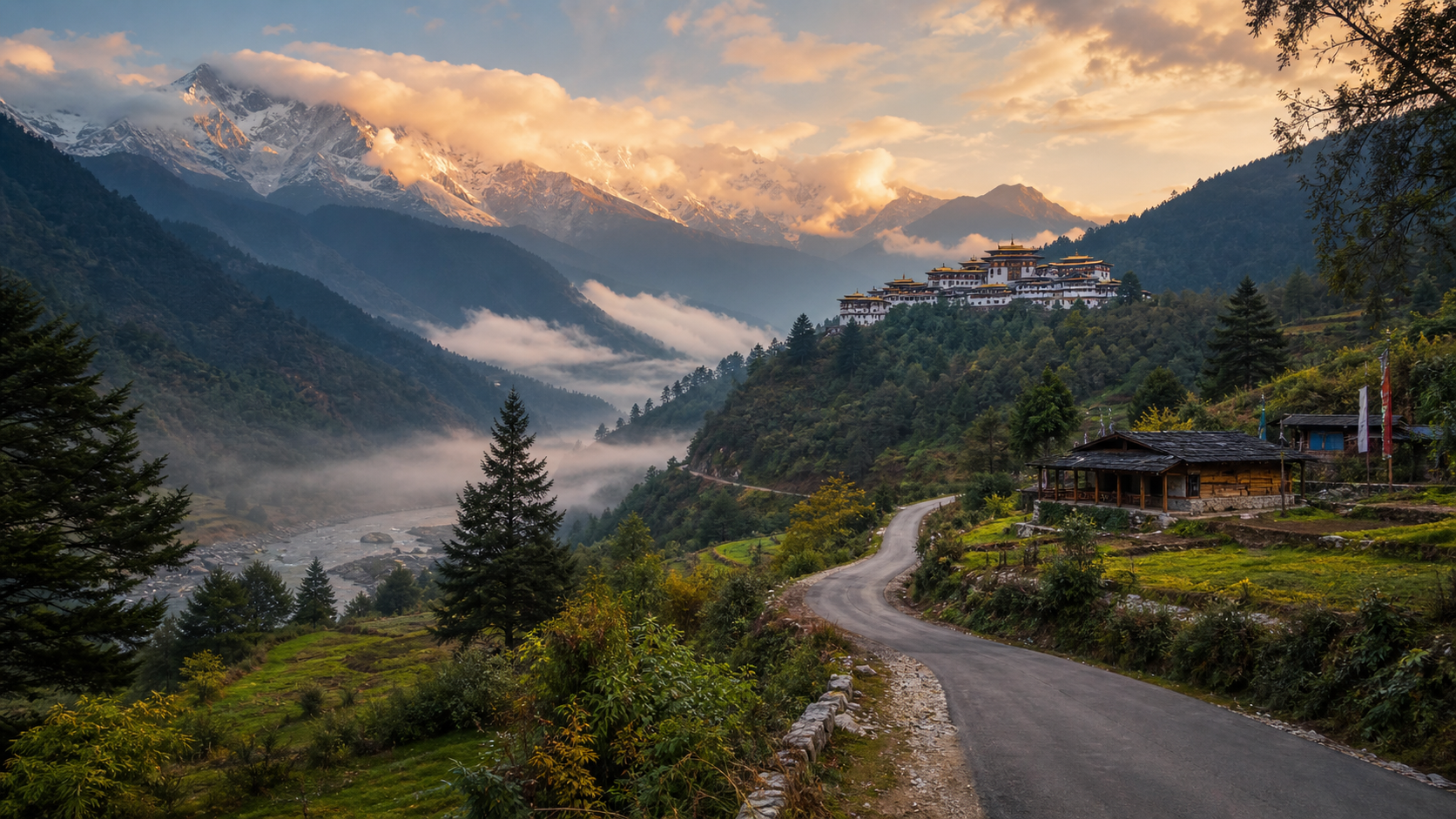

Imagine standing beneath an endless blue sky, a crisp mountain breeze on your face, and a landscape that shifts from dense evergreen forests to terraced rice valleys and high, sacred passes. For many Indian travellers the idea of exploring Arunachal Pradesh feels like stepping into a quieter, wilder chapter of the country — one that still rewards curiosity with offbeat towns, friendly tribal communities and broad Himalayan panoramas.
Arunachal can feel remote, and that is part of its charm: both a challenge and an invitation. With just a little planning — permits in place, flexible days, and respect for local customs — the state becomes a deeply rewarding place to explore in 2026. In this guide I’ll walk you through why Arunachal deserves to be on your travel radar, the practical steps to visit, suggested itineraries, and smart planning tips to make the trip comfortable and meaningful.
Why Arunachal Pradesh matters for Indian travellers
Arunachal’s appeal is several-fold. First, it offers genuine variety: high-altitude Buddhist monasteries and passes in the west, rich tribal valleys and Apatani farmlands in the central belt, dense rainforest and biodiversity in the east. The pace here is slower and the experiences feel authentic — from visiting local homestays and attending seasonal festivals to exploring rarely visited tribal villages and wildlife-rich reserves.
Second, it is a year when many travellers are rethinking familiar routes in favour of less crowded, culturally rich destinations. Arunachal rewards patience with dramatic landscapes, warm local hospitality, and cultural encounters that are hard to replicate elsewhere in India. For Indian travellers used to more tourist infrastructure, the state is refreshing: simple stays, great food rooted in local produce, and long, scenic drives that connect unique sights.
Best time to visit
The ideal months depend on what you want to see. Late spring and summer (March to June) bring clear weather to higher altitudes, blooming rhododendrons and comfortable daytime temperatures. September to November is excellent after the monsoon — skies clear, rivers are full, and the weather is pleasant for trekking and sightseeing.
High-altitude areas such as Tawang and Sela Pass get very cold in winter; snow can make some passes impassable. Monsoon (June–August) brings heavy rains to parts of the state and can make roads challenging in isolated stretches. Plan around festivals or specific seasonal wildlife sightings if those are priorities.
Top experiences and must-see places
Arunachal’s strengths are its diversity and the sense that much of it is still being discovered by travellers. Key highlights to consider:
- High Himalayan experiences: mountain passes, high-altitude lakes and large, serene monasteries in western Arunachal.
- Ziro Valley and the Apatani plateau: terraced fields, distinctive tribal culture, and homestays that introduce you to local life.
- Bomdila and surrounding hillscapes: panoramic vistas, monasteries and cool mountain air.
- Itanagar and cultural centres: regional museums, local markets and a relaxed introduction to the state’s diversity.
- Eastern forests and wildlife: remote national parks and biodiverse corridors with opportunities for nature walks and birdwatching.
Permits and entry formalities
Unlike most Indian states, Arunachal Pradesh is a restricted-access area. Indian citizens must obtain the appropriate Inner Line Permit (ILP) before travelling into the state. Foreign visitors typically need a Protected Area Permit (PAP). Certain border or sensitive areas may require additional clearances.
Apply for permits well in advance through the official state system or the authorised offices. Keep physical and digital copies of permits during travel; some checkpoints require them on arrival and during checkpoints en route to border areas.
Sample itineraries
Below are two sample itineraries — a compact highlights route and a relaxed 10-day circuit that balances culture, landscapes and some light trekking.
7-day highlights (compact)
- Day 1: Arrive at the gateway city (Guwahati or a regional airport). Travel by road into Arunachal and overnight at a convenient town en route.
- Day 2: Reach Ziro (or an accessible central valley). Check into a homestay and explore the valley and local markets in the evening.
- Day 3: Ziro — village walks, Apatani farmlands, and cultural interaction at a homestay.
- Day 4: Travel north-west toward Bomdila; enjoy hill views and visit a monastery.
- Day 5: Bomdila to Tawang region via scenic roads (allow for acclimatisation). Short local sightseeing.
- Day 6: Full day to explore monasteries, high passes and lakes near Tawang.
- Day 7: Return to the gateway city for onward travel.
10-day relaxed circuit (recommended for first-timers)
- Day 1: Use Guwahati as the arrival hub. Travel into Arunachal, overnight in a transit town.
- Day 2: Reach Itanagar. Visit local sights, museums and markets for an easy cultural start.
- Day 3: Itanagar to Ziro. Evening walk in the valley and homestay experience.
- Day 4: Ziro local day — explore Apatani villages and craft markets.
- Day 5: Ziro to Bomdila. Scenic drive, visit viewpoints and a local monastery.
- Day 6: Bomdila to Tawang region, allowing for acclimatisation and short stops.
- Day 7: Tawang — explore the monastery, nearby lakes and local markets.
- Day 8: Optional day for a higher pass drive or a short trek in the area, depending on conditions.
- Day 9: Start the return toward central Arunachal or the gateway city, with relaxed stops.
- Day 10: Reach your departure hub and prepare for onward travel.
Transport and getting around
Guwahati in Assam is the main rail and air gateway for most travellers heading into Arunachal. From the gateway you continue by road — scenic drives are part of the experience but can be long. Several smaller regional airports and airstrips in the northeast improve access to parts of the state; these often have limited schedules.
Within the state, shared taxis, private cabs and state transport buses operate between major towns, but services can be infrequent. Hiring a private car with a local driver or joining a small group tour gives more flexibility for sightseeing and permits. Be ready for winding roads, variable road surfaces and sections with reduced mobile coverage.
Accommodation and where to stay
Accommodation ranges from basic guesthouses and homestays to comfortable hill hotels in major towns. Homestays and community-run lodges are excellent for cultural immersion — Ziro and several hill villages have well-established homestay networks. In Tawang and Bomdila, hotels and resorts cater to travellers looking for more comfort.
| Type | Comfort level | Best for | Notes |
|---|---|---|---|
| Homestay | Basic to comfortable | Culture seekers, slow travellers | Great for food, cultural exchange and local knowledge. |
| Guesthouse / Lodge | Comfortable | Budget couples, solo travellers | Good value in towns; book ahead in peak season. |
| Resort / Hotel | Comfortable to premium | Families, travellers seeking comfort | Available in major centres like Tawang and Bomdila. |
| Camping | Varies | Adventurers and trekkers | Best with experienced guides; weather dependent. |
Food and dining
Food in Arunachal is rooted in local ingredients: rice, fresh greens, fish where rivers are accessible, and preserved or smoked meats in many tribal communities. You will find simple local eateries, homestay-cooked meals and a few restaurants serving Indian staples. Don’t miss trying locally brewed rice beer and tasting seasonal produce prepared by host families.
If you prefer familiar flavours, larger towns usually have places that serve pan-Indian food, but embracing the local palate adds to the travel experience. Carry basic snacks for long road journeys between towns.
Budget and cost guidance
Costs depend on travel style and season. Major components are transport (flights to the gateway, long road transfers), accommodation (homestays vs hotels), guided excursions and permits. Travelling in a small group or sharing a vehicle reduces per-person transport costs. Homestays and guesthouses are economical and double as cultural experiences; luxury options exist but are limited to larger towns.
Because services are sparser in remote areas, plan a realistic budget buffer for unexpected road delays, vehicle hire extensions and additional permit requirements. Carry both cash and cards — some remote towns may have limited or no card acceptance.
Suitability: family, solo, couple or group travel
Arunachal suits different travel styles with some caveats. Families who enjoy nature, calm towns and cultural exposure will find it rewarding, though long drives and limited medical facilities in remote areas require sensible planning. Couples can enjoy scenic seclusion and quiet homestays. Solo travellers should plan routes carefully, keep permits handy and consider joining group tours for some segments. Groups are practical for cost-sharing on private vehicles and accommodation.
Health, safety and practical tips
- Altitude and acclimatisation: Some western high-altitude sites require gradual ascent. Allow extra days if you plan to cross high passes.
- Permits: Obtain ILP or PAP as applicable well before departure and carry copies.
- Connectivity: Expect patchy mobile and internet coverage. Download maps and essential information before long drives.
- Cash and ATMs: Carry sufficient cash for remote stretches; ATMs may be infrequent.
- Local customs: Respect tribal customs and ask before photographing people or private rituals.
- Health kit: Carry basic medicines, altitude remedies if you’ll visit high passes, and mosquito protection for humid valleys.
Pro Tip
Plan travel legs as relaxed day journeys rather than tight schedules. That gives you room to acclimatise, recover from long drives, and enjoy spontaneous stops — often where the most memorable encounters happen. Book homestays or local guides in advance during peak months to secure authentic experiences.
Planning the Smart Way
Start with these practical steps:
- Decide on a gateway city (commonly Guwahati) and work out realistic road travel times between the places you want to visit.
- Apply for permits (ILP or PAP) early and check for any additional permissions for border or restricted areas you plan to visit.
- Choose a mix of homestays and hotels to balance comfort and cultural immersion; book key nights in advance if travelling in high season.
- Hire a local driver or join a small group for convenience on long drives; local drivers know road conditions and checkpoint procedures.
- Pack layers for variable mountain weather, sturdy footwear for village walks, and a good daypack for short treks.
Final Thoughts
Arunachal Pradesh is rewarding for travellers who are ready for slow travel, who value cultural exchange and wide-open landscapes. It asks for a little more planning than mainstream destinations, but the payoff is unusually authentic experiences: remote monasteries, living tribal traditions, and mountain vistas that feel private. Whether you come for the silence of a high lake, the warmth of a homestay, or a road trip that keeps revealing new valleys, Arunachal can be a highlight of your India travels in 2026.
Travelzia encourages mindful travel: respect local people and ecosystems, travel with curiosity and humility, and leave places as you found them. If you’d like help building an itinerary that matches your travel style and schedule, start planning early — the quieter months and earlier bookings often deliver the best experiences.
FAQs
- Do Indian citizens need a permit to visit Arunachal Pradesh? Yes. Indian travellers must obtain the appropriate Inner Line Permit (ILP) before entering the state.
- Can foreigners visit Arunachal Pradesh? Foreign nationals generally require special permits (such as a Protected Area Permit) and should check visa and permit rules well before travel.
- Is it safe to travel in Arunachal Pradesh? Many travellers safely explore the state, but it is important to follow local advice, carry permits, be prepared for long drives and limited medical facilities in remote areas.
- How long should I spend in Arunachal? A week gives you highlights; 10–14 days allows a more relaxed pace and deeper cultural experiences.
- What are the must-pack items? Pack layered clothing, sturdy trekking shoes, rain protection, a basic first-aid kit, copies of permits, and sufficient cash for remote stretches.
- Can I drive my own car in Arunachal? Self-driving is possible, but many travellers prefer hiring a local driver who knows road conditions and checkpoint procedures. Check permit rules for vehicle types and travel zones.
- Is mobile network available everywhere? No. Expect intermittent coverage in hills and remote valleys; download maps and offline information for long drives.
Travel Information Disclaimer
Travel information is for general planning purposes only. Prices, visa rules, availability, and entry requirements can change. Verify important details with the relevant airline, hotel, embassy, or official authority before booking or travelling.