

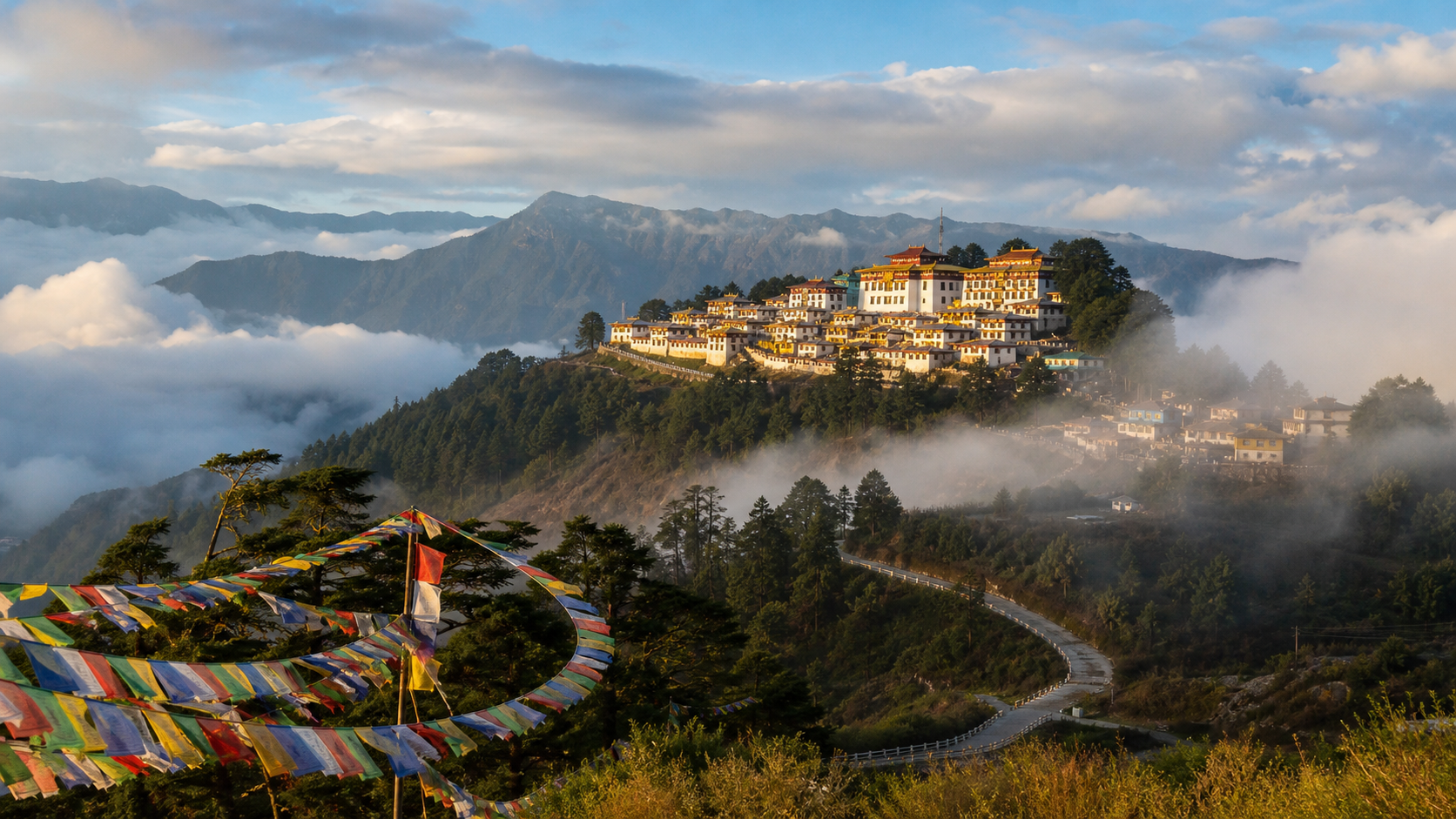

Most of us hold a map of India in our minds as a series of familiar routes: beaches on the west coast, deserts in the northwest, or hill stations in the north. Now imagine turning the map east, across broad rivers and green hills, to a place where monasteries perch above valleys, tribal festivals fill entire valleys with song and colour, and long mountain roads open into remote forests and rivers. For many Indian travellers, Arunachal Pradesh still feels like the next big adventure — close enough to reach, far enough to feel like discovery.
This guide is written for the Indian traveller who wants to make 2026 the year of exploring beyond the usual. I’ll blend the feeling you get standing on a windswept ridge with the everyday planning you need: when to go, which permits to arrange, how much time to allow, and how to travel responsibly. Think of this as a practical love letter to Arunachal — a place that rewards planning with unusually rich experiences.
Why Arunachal Pradesh Matters for Indian Travellers
Arunachal Pradesh matters because it gives you a different scale of travel: raw landscapes, living tribal cultures, and a frontier-like sense of space that remains surprisingly accessible from major Indian cities. For families, couples and solo travellers it offers a mix of serene valleys (Ziro), striking Buddhist monasteries (Tawang) and dense evergreen forests teeming with birds and mammals (Namdapha region). Cultural immersion is easy here: homestays and village visits are common, festivals are open to visitors, and food is local, hearty and honest.
For travellers from India, the state is also an opportunity to see parts of the country that many Indians have not yet explored. Roads link to Assam and neighbouring states, and domestic flights to nearby hubs cut travel time. In short: Arunachal balances accessibility with remoteness in a way that makes it a compelling choice for 2026.
Best Time to Visit
Choosing when to go will depend on what you want to see:
- October to December: Post-monsoon is ideal for clear skies, unflooded roads and bright mountain views. Many local festivals also take place in this window.
- January to March: Winter is cold in higher regions like Tawang and Bomdila but great for clear mountain panoramas and monastery visits.
- March to April: Spring brings blooming rhododendrons, mild weather and several cultural events.
- June to September: The monsoon can be heavy. Roads become trickier and some high passes may be affected, so plan with flexibility if travelling in this period.
Top Experiences: What Makes Arunachal Unmissable
- Tawang Monastery and surrounding highlands: One of the largest monasteries in India set against alpine scenery; perfect for culture and photography.
- Ziro Valley and Apatani villages: Gentle rice terraces, unique tribal traditions and the internationally known music festival make Ziro a must for slow travel.
- Wildlife and birding: Arunachal’s forests, including protected areas in the east, are excellent for bird watchers and wildlife enthusiasts.
- River Rafting and Siang experiences: The mighty rivers offer scenic banks and outdoor activities for adventurous travellers.
- Homestays and village life: Staying with local families is an immersive way to learn about tribal crafts, food and daily life.
Sample 10-Day Itinerary: A Balanced First-Time Route
This sample itinerary mixes culture, nature and manageable travel days — good for a first-time trip in 2026.
Day 1: Arrival and Itanagar
Fly or travel to the major entry hub (commonly reached via Assam). Settle in Itanagar, visit the local cultural sites and prepare permits. Use this day to adjust and check local travel conditions.
Day 2: Itanagar to Ziro
Drive to Ziro Valley. Enjoy the unique landscape of pine and rice terraces and an easy evening walk. If you plan visits to Apatani villages, arrange with a local guide.
Day 3: Ziro — Village Walks and Culture
Explore the valley, meet local artisans, and learn about Apatani traditions. Option to attend local events or small festivals depending on season.
Day 4: Ziro to Bomdila
Drive over scenic mountain roads toward Bomdila. Stop at viewpoints, small markets, and local monasteries en route.
Day 5: Bomdila to Tawang
Long but spectacular drive ascending to higher altitudes. Arrive in Tawang and acclimatise. Short evening visit to local viewpoints.
Day 6: Tawang Monastery and Local Sights
Visit the monastery, local markets and nearby lakes or viewpoints. Learn about Monpa culture and sample local dishes.
Day 7: Tawang Surrounds — Day Excursions
Choose a day trip to nearby valleys, other monasteries or small villages. A relaxed day to soak in the high-altitude scenery.
Day 8: Tawang to Dirang
Descend via mountain roads toward Dirang, known for calmer temperatures and apple orchards. Stop for hot springs or village visits if interested.
Day 9: Dirang to Pasighat / Eastward Push
Travel east toward the Siang and valley areas; this is a transitional day into the eastern part of the state with different tribal cultures and landscapes.
Day 10: Pasighat / Namdapha Access and Departure Back to Assam
Explore riverfronts, local markets and birding hotspots. Begin the return journey to your exit hub in Assam for onward travel.
Budget Guidance
Budget depends on travel style and route. Arunachal’s remoteness means some costs (transport and guided trips) will be higher than average lowland travel. Plan for:
- Transport costs: Long drives and private vehicles add up — shared taxis can reduce costs but require flexibility.
- Accommodation: Options range from basic guesthouses and homestays to comfortable hotels in larger towns; remote homestays are often good value for a cultural experience.
- Meals and guides: Local food is generally affordable; hiring local guides or drivers is worth the expense for both convenience and safety.
Give yourself a flexible daily budget that accounts for long-distance transfers between sites, possible permits or entry fees, and contingency for road delays.
Permits and Entry Rules (Important)
Permits are central to planning a trip in Arunachal Pradesh:
- Indian citizens: You will need an Inner Line Permit (ILP) to enter Arunachal Pradesh. The ILP can be arranged in advance online or at designated points; carry valid ID and the approved permit during travel.
- Foreign nationals: Foreign visitors usually require a Protected Area Permit (PAP) or equivalent restricted permit. Foreign permits often need more processing time and may be arranged through government offices or registered tour operators.
Always check current permit rules and application procedures before booking — permit requirements and processes are maintained by the state and can change. Many travellers use a registered local operator to speed up the process and handle logistics.
Where to Stay: Comfort vs Experience
Arunachal offers a mix of stays that suit different travel styles:
- Homestays: Best for cultural immersion. Hosts often share meals and local stories. Ideal in Ziro and village areas.
- Mid-range hotels and guesthouses: Found in larger towns like Itanagar, Bomdila and Tawang. Good for comfort and basic amenities.
- Eco-lodges and guest camps: Available near wildlife areas and rivers. Expect basic comforts but immersive natural settings.
Food and Drink
Food in Arunachal is hearty, using local ingredients like rice, fresh vegetables, meat and river fish. You will find regional dishes unique to tribal groups and flavours such as fermented foods and local rice beer (served in many village homes). In towns, basic Indian dishes and popular snacks are available, but on remote stretches carry snacks and water. Vegetarians can manage but should plan ahead for limited choices on deeper rural routes.
Getting Around: Flights, Roads and Local Transport
Most itineraries begin with a flight or train to a major Assam hub, followed by road journeys into Arunachal. Expect long drives through twisting mountain roads — distances can be deceiving because of road conditions and curvy terrain. Local transport options include state buses, shared taxis and private hires. For comfort and flexibility, many travellers hire a private vehicle and driver for multi-day routes.
Who Should Travel: Family, Couple, Solo or Group?
- Families: Arunachal is rewarding for families who want culture and nature; choose slower itineraries to avoid long daily drives.
- Couples: Great for couples seeking quiet valleys, scenic drives and cosy homestays.
- Solo travellers: Solo travel is possible but consider travelling with a guide or joining a small group in remote areas for safety and permit handling.
- Groups: Group travel works well for festival trips or guided expeditions, and can reduce per-person costs for transport and guides.
Pro Tip
Carry both physical ID and printed permits; mobile connectivity is patchy in many parts of Arunachal. Pack layers for variable mountain weather, basic medicines for altitude-related discomfort and a small first-aid kit. Respect local customs: always ask before photographing people and follow community rules when staying in villages.
Quick Comparison: Regions at a Glance
| Region | Highlights | Best For | Access / Difficulty | Suggested Nights |
|---|---|---|---|---|
| Itanagar | Capital culture, local museums | First-time arrivals, permits | Easy | 1–2 |
| Ziro Valley | Terraced valleys, Apatani villages, music festival | Culture, slow travel | Moderate | 2–3 |
| Tawang | High-altitude monastery, alpine scenery | Monasteries, photography | Challenging roads (altitude) | 2–3 |
| Bomdila / Dirang | Rhododendron forests, viewpoints | Midway stops, nature | Moderate | 1–2 |
| Pasighat / East | Rivers, birding, access to eastern forests | Wildlife, river experiences | Moderate | 1–2 |
Planning the Smart Way
Start by checking permit requirements and applying early, especially if you plan to travel during festival season. Book internal transfers with flexible cancellation policies because mountain roads can be affected by weather. Use local operators for complex stretches — they know the road conditions, local rules and can arrange village stays. Keep cash handy in small towns; ATMs are not reliable in remote areas. Finally, carry photocopies of your ID and permit and store digital copies in your phone and email.
Final Thoughts
Arunachal Pradesh offers layers of experiences that reward patience and curiosity. It’s a destination for travellers who want more than a checklist — those who want to wake up to misty valleys, meet communities with living traditions, and accept a slower pace in exchange for authenticity. With sensible planning, respect for local customs and a flexible attitude to mountain travel, Arunachal can be one of your most memorable trips in 2026.
Travelzia encourages you to plan thoughtfully: arrange permits early, choose trusted local operators for remote legs, and leave room in your itinerary for unscripted discoveries. Above all, allow the landscape and communities of Arunachal to set the rhythm of your journey.
FAQs
- Do Indian citizens need a permit to enter Arunachal Pradesh? Yes. Indian citizens must carry an Inner Line Permit (ILP) to enter Arunachal Pradesh; apply in advance and carry the approved permit during travel.
- Can foreigners visit Arunachal Pradesh? Foreign nationals generally require a Protected Area Permit (PAP) or equivalent restricted permit. These permits take time to process and may require additional approvals.
- How many days are enough for a first visit? A focused 8–12 day itinerary covers major highlights—Ziro, Bomdila and Tawang—without rushing. Add more days if you want deeper exploration of eastern forests or river valleys.
- Is it safe to travel by road? Road travel is the main way to explore Arunachal. Roads can be narrow and weather-dependent, so choose experienced drivers and allow buffer time between destinations.
- What about health and altitude? High-altitude locations like Tawang are cold and at elevation; acclimatise gradually, stay hydrated and be aware of symptoms of altitude sickness.
- Is connectivity good across the state? Mobile and internet connectivity is inconsistent in remote areas; expect reliable service in towns but limited coverage in valleys and forests.
- How should I respect local communities? Always ask before photographing people, follow guidance from homestay hosts, remove shoes where requested, and accept local customs with openness.
Travel Information Disclaimer
Travel information is for general planning purposes only. Prices, visa rules, availability, and entry requirements can change. Verify important details with the relevant airline, hotel, embassy, or official authority before booking or travelling.